
Eight days ago we published an article about Brazil that said, in plain words, that nothing had been signed — and that when something was, we would say who with.
Something has. It is the Instituto Gabriel Benício, in Fortaleza, in the state of Ceará.
What was signed
Today, 21 September 2026, RVer and the Instituto Gabriel Benício signed a reseller and distribution agreement for the platform in Brazil. For now it is exclusive for the country: the Institute represents RVer on Brazilian soil, and it is the only one that does.
The plan goes further than distribution. The next stage is immersive content made specifically for the Brazilian market — scenarios filmed there, for the people who live there. A video library shot in Portugal serves a great deal in Brazil, but it does not serve everything: the landscape that gives a resident in Leiria a memory back is not the one that does it for a resident in Fortaleza.
That does not exist yet. What exists today is the agreement, and the first service in the country using the platform.
What the Instituto Gabriel Benício is

It is an inclusion and development organisation based in Fortaleza, working with children with disabilities and their families. The work with RVer runs through the Institute's MoviMente project.
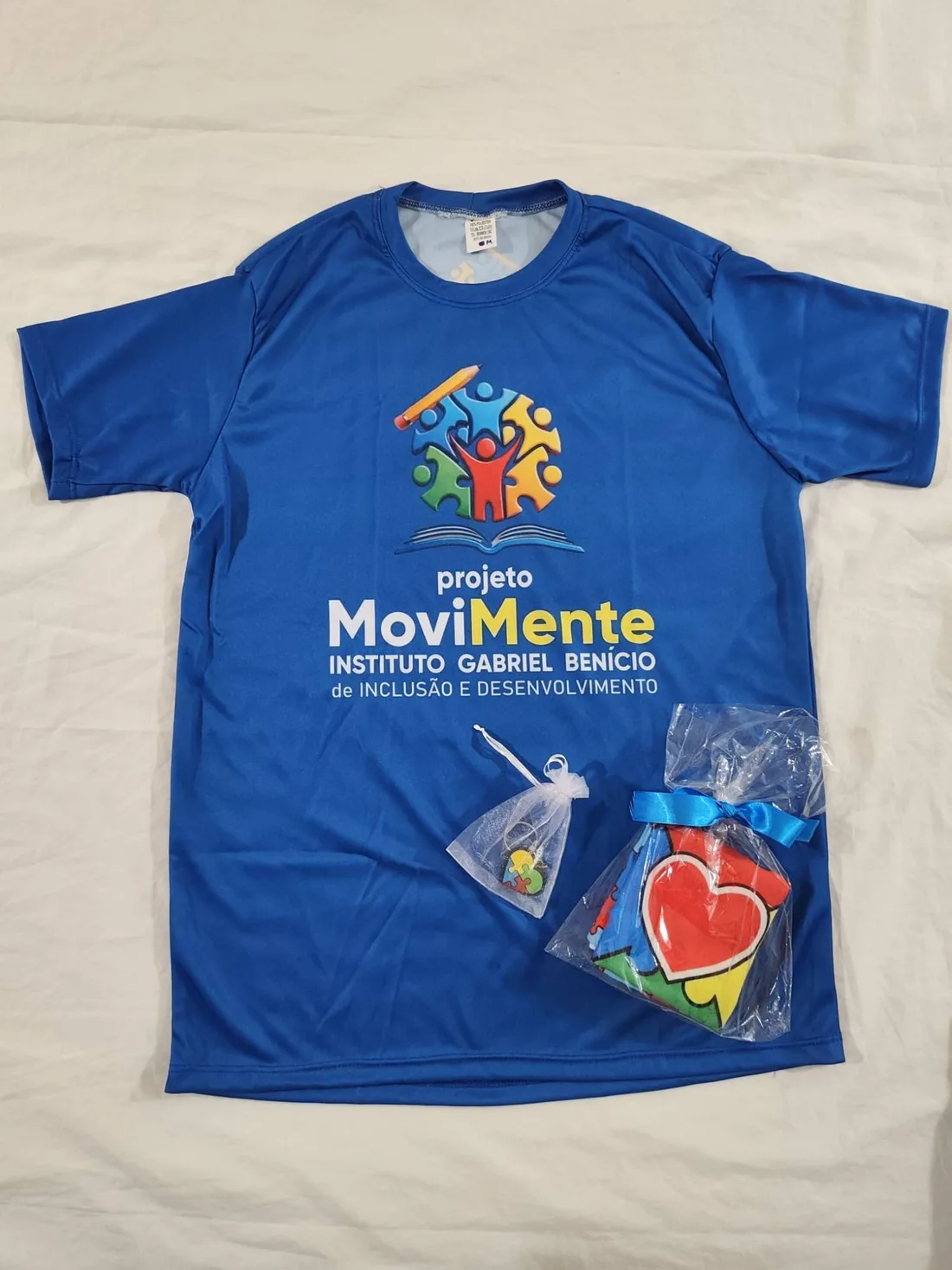
The Institute is both partner and client, which is not a contradiction: whoever represents the platform in a country also uses it with their own patients, like any other institution. It is, in fact, the best way to represent it. Anyone selling something they do not use ends up describing it badly.
The headset that stayed in Fortaleza
In September we took a demonstration unit from Portugal to Brazil. It is in the photograph in the previous article: a headset resting on its box, on a balcony facing the sea.
That unit stayed. It stopped being the demo headset and became the first RVer device in service in Brazil. The first sessions ran on it today — two of them, on the day the agreement was signed.
Crossing the Atlantic does not change the model: the equipment remains ours. The institution contracts a service and the equipment comes with it — we explained why here. The difference planned for Brazil is where the hardware comes from: as more services come online, the headsets are bought in the country and configured remotely, with no fleet crossing customs and no import cost added to the service.
What it still is not
The September article put the limits up front. They are still there, and they are worth repeating rather than quietly dropping now that there is a signature.
RVer is not registered with ANVISA, the Brazilian regulator. The registration we hold is a Class I Medical Device registration with Infarmed, it covers the base product, and it is valid where it was issued — a Portuguese registration with effect in the European space, not a worldwide credential. It is a process we will be dealing with shortly, now that the Brazilian partner it presupposes exists.
Until that happens, the internal rule stands: no therapeutic claims in Brazil. What is presented to a Brazilian institution is what the product does — meaningful activity, comfort, occupation, a record of what happened in the session — without promising clinical effect. Regulation follows the claim made, not the type of buyer.
And there is still no Brazilian company, no office and no local team. There is a partner, which is a different thing and, for now, a better one.
Portugal, Brazil, and what comes next
This is the first step of internationalisation, and there are meant to be more. Portugal, now Brazil, and others after that — there are conversations under way in other markets.
We are not naming them. That was the rule in September, when Brazil was still a calendar full of meetings, and there is no sense in changing it now that it worked: announcing conversations as though they were agreements is the fastest way to ruin them. When there is a signature, we say who with. That is what happened today.
What we can explain is the criterion, and it is not market size.
Patient need first. We go where there is work to be done, not where the population is largest.
Then someone on the ground. Either we build a team, or we partner with whoever is already there — and whoever is already there has to have a footing in healthcare, in technology, or in both. Knowing how to sell is not enough.
Distance is not the obstacle. The platform is managed remotely by design: the content sits on the device, the session runs without depending on an internet connection, and configuration is done from Leiria. You do not need to be in the country for the system to work in the country. You need to be in the country to understand who is going to use it — and that is what a partner is for.
Which is why the order is this one: partner first, operation second. The first one closed today.